
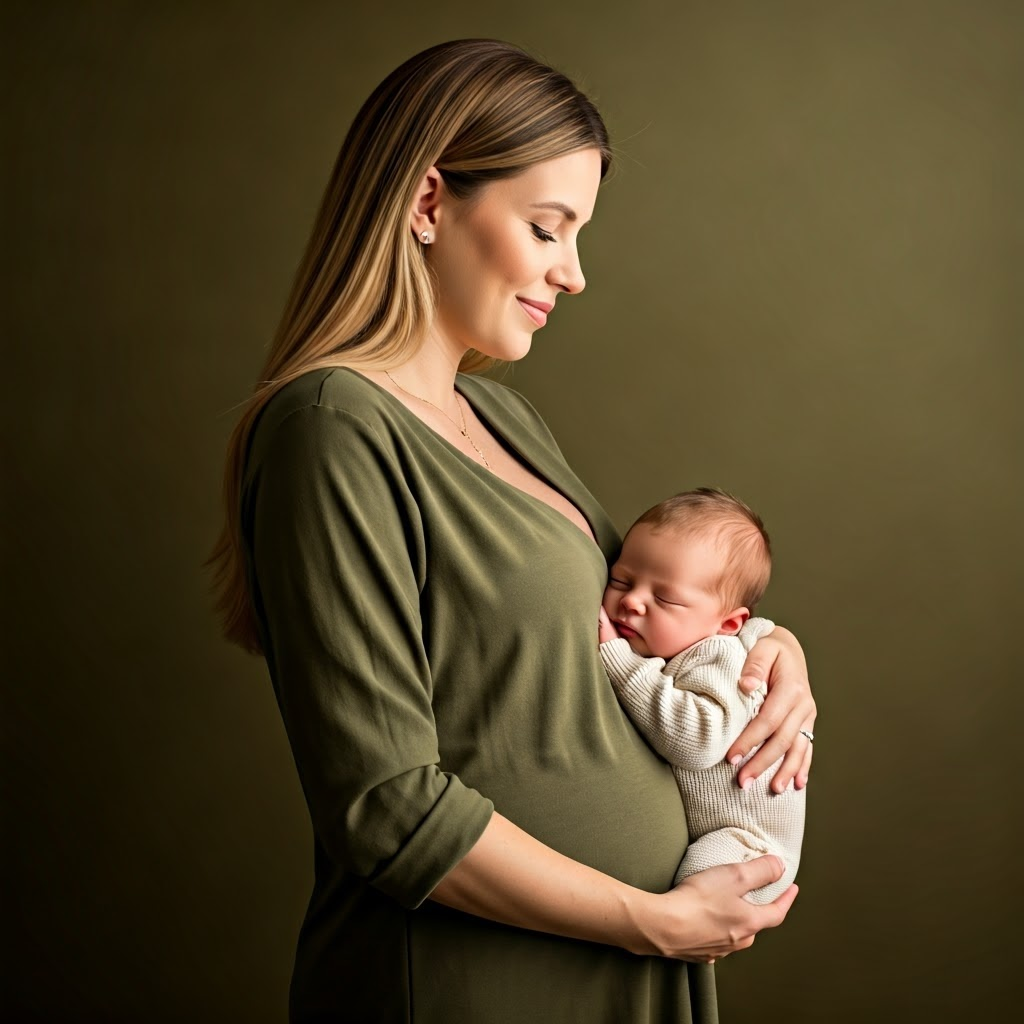
Supporting new mothers during the postpartum period is a crucial and rewarding profession. A postpartum coach certification equips aspiring professionals with the knowledge, skills, and credibility to provide compassionate guidance to mothers navigating physical recovery, emotional changes, and the challenges of newborn care. Postpartum coaching bridges the gap between healthcare services and emotional support, ensuring mothers feel empowered, understood, and prepared for life with a new baby. This certification not only validates your expertise but also allows you to establish trust with clients, which is essential in this sensitive field. With formal training, coaches can confidently address a wide range of postpartum concerns, from sleep schedules to self-care practices and emotional well-being. More than just a professional credential, a postpartum coach certification represents a commitment to improving maternal wellness and fostering healthier family dynamics. Whether you are starting a new career or expanding your current practice, this certification can be a transformative step for both you and the families you serve.
A postpartum coach is much more than a mentor; they are a support system for mothers during one of the most vulnerable times of their lives. The role involves guiding mothers through emotional shifts, hormonal changes, and practical challenges such as feeding, sleep, and relationship adjustments. Unlike traditional therapy or general coaching, postpartum coaching specifically addresses the postpartum period and tailors strategies to each family’s unique situation. By helping mothers set realistic expectations and develop coping strategies, postpartum coaches empower clients to navigate early parenthood with confidence. The emotional support provided by trained coaches can significantly reduce feelings of isolation, stress, and overwhelm. Certified coaches are also trained to recognize signs of postpartum depression or anxiety and can provide referrals to appropriate professionals when needed. Understanding this specialized role emphasizes why proper postpartum coach certification is essential for anyone entering the field.
Obtaining a postpartum coach certification ensures that you are prepared, knowledgeable, and trusted in your practice. Formal certification programs provide structured learning covering essential topics such as newborn care, maternal mental health, and effective coaching techniques. Certification not only validates your expertise but also demonstrates your commitment to professional standards, which can attract more clients and higher-quality opportunities. Many programs outline clear legal and ethical guidelines to protect both the coach and the client, reducing risks and increasing confidence in your services. Employers, healthcare centers, and clients often prefer or require certified professionals, making the credential an essential step for career growth. Certification can also improve your ability to network with other professionals and gain access to resources, tools, and continued learning opportunities. Investing in this training ultimately positions you as a credible, effective, and compassionate postpartum coach.
Becoming a certified postpartum coach involves several key steps that ensure you are fully prepared to support new mothers. Most certification programs have eligibility requirements such as a background in healthcare, coaching, or maternal support, though some programs welcome beginners with a passion for maternal wellness. Core courses cover emotional support techniques, newborn care, maternal self-care strategies, and coaching methodologies. Programs vary in duration, often ranging from a few weeks to several months, and may include live workshops, online modules, and mentorship opportunities. Costs also vary depending on program depth, certification level, and support offered, making it important to research and select the program that aligns with your career goals. Many programs provide hands-on training and practical exercises, allowing aspiring coaches to apply their knowledge in real-life scenarios. Completing certification ensures that you are fully equipped to guide mothers through the complex and sensitive postpartum period.
Certified postpartum coaches gain valuable skills that set them apart in their practice. Emotional support and active listening techniques are emphasized to help mothers feel heard and understood. Coaches also learn how to educate mothers on physical recovery, nutrition, and safe self-care practices after birth. Knowledge of newborn care, including feeding, sleep routines, and developmental milestones, enables coaches to provide practical guidance tailored to each family. Additionally, postpartum coaches acquire business and client management skills to run their practice efficiently and ethically. These competencies allow coaches to navigate client challenges with confidence, providing meaningful support that fosters lasting positive outcomes. Certification ensures that coaches are not only skilled in maternal wellness but also equipped to deliver services in a professional, ethical, and effective manner.
A postpartum coach certification significantly elevates a professional’s ability to serve clients and grow their career. Certified coaches gain credibility, instilling confidence in new mothers and families seeking guidance. Certification also opens doors to niche expertise and specialized service offerings, such as group coaching or postpartum workshops. Professional networks and resources provided by certification programs can be invaluable, offering ongoing support, mentorship, and updated knowledge. Certified coaches often have more opportunities to collaborate with healthcare professionals, birthing centers, and wellness organizations. Continuing education options available through certification programs help coaches stay informed about best practices, research updates, and emerging trends. Overall, certification strengthens your practice, enhances client outcomes, and establishes you as a trusted authority in postpartum support.
When selecting a program, it is important to weigh the benefits of online versus in-person postpartum coaching certification. Online programs offer flexibility and convenience, allowing students to learn at their own pace while balancing personal or professional commitments. They often include interactive webinars, virtual mentorship, and digital resources. In-person programs provide hands-on experience, direct mentorship, and networking opportunities with fellow students and experienced coaches. The choice depends on learning style, availability, and career objectives, but both formats aim to equip aspiring coaches with comprehensive skills and knowledge. Reviewing course content, instructor expertise, and support resources will help ensure that you select a program that meets your professional goals. Ultimately, the right program prepares you to confidently guide mothers through the postpartum period.
Certified postpartum coaches have a variety of career paths and opportunities. Many start private practices, offering individualized coaching sessions for new mothers and families. Others collaborate with hospitals, birthing centers, wellness clinics, or community organizations to provide group programs or workshops. Postpartum coaches can also work alongside doulas, lactation consultants, and therapists to deliver comprehensive maternal support. Beyond direct client work, certified coaches may develop educational content, lead seminars, or host online courses to reach broader audiences. The certification credential is increasingly recognized as a professional standard, making it easier to establish credibility in diverse settings. As demand for maternal wellness services grows, certified postpartum coaches are well-positioned for long-term career success and growth.
Excelling as a certified postpartum coach requires ongoing commitment, skill development, and strategic planning. Building a strong client base depends on reputation, referrals, and effective marketing strategies. Coaches must maintain ethical practices, protect client confidentiality, and stay informed about maternal health trends. Networking with other professionals in maternal wellness enhances knowledge sharing and professional growth. Continuous learning through workshops, certifications, and mentorship ensures coaches remain current with best practices. Developing empathy, communication skills, and cultural sensitivity strengthens client relationships. By combining professional expertise with compassion, certified postpartum coaches can create a meaningful, rewarding impact on mothers and families.
FAQ: Postpartum Coach Certification
Who can become a postpartum coach?
Anyone with a passion for maternal wellness can pursue certification, though programs may prefer individuals with experience in healthcare, coaching, or support roles.
How long does certification take?
Certification programs typically range from a few weeks to several months, depending on course format, depth, and mentorship options.
Is prior experience with childbirth or healthcare required?
Some programs welcome beginners, while others may require background knowledge; prerequisites vary by provider.
What is the average cost of certification?
Costs differ widely, generally ranging from a few hundred to a few thousand dollars, depending on program length, support, and resources.
Can postpartum coaching be done virtually?
Yes, many certified coaches provide virtual sessions, making services accessible to clients regardless of location.
Does certification help with insurance or reimbursement options?
While certification enhances credibility, coverage varies; some employers or clients may require additional qualifications for reimbursement.
Takeaway:
Earning a postpartum coach certification is a powerful way to establish credibility, gain specialized skills, and make a meaningful impact in maternal wellness. Certified coaches are better equipped to support mothers, expand career opportunities, and provide confident, compassionate guidance during the postpartum period. Investing in certification ensures you are professionally prepared to meet the unique needs of new mothers while building a rewarding and sustainable career.