
The coaching industry has become one of the fastest-growing online business sectors in the world. From business coaching and executive mentoring to wellness and mindset programs, coaching companies are attracting clients across the USA, UK, Canada, Australia, UAE, Singapore, and many other international markets. As competition increases, many coaching brands are discovering that generating leads alone is no longer enough to sustain growth. Businesses now need highly skilled professionals who can convert interested prospects into paying clients through strategic conversations. This is where coaching sales closers play a critical role in modern business expansion.
Coaching sales closers are professionals trained to guide potential clients through the decision-making process during consultation calls. Their responsibility goes far beyond simply selling a coaching package. They build trust, identify client goals, address concerns, and help prospects feel confident about investing in a coaching program. In high-ticket coaching environments, emotional intelligence and communication skills are often just as important as sales ability. Coaching clients want to feel understood before making a significant investment in personal or professional development. Skilled closers help create that connection while improving conversion rates for coaching companies operating on a global scale.
What Coaching Sales Closers Do in the Modern Coaching Industry
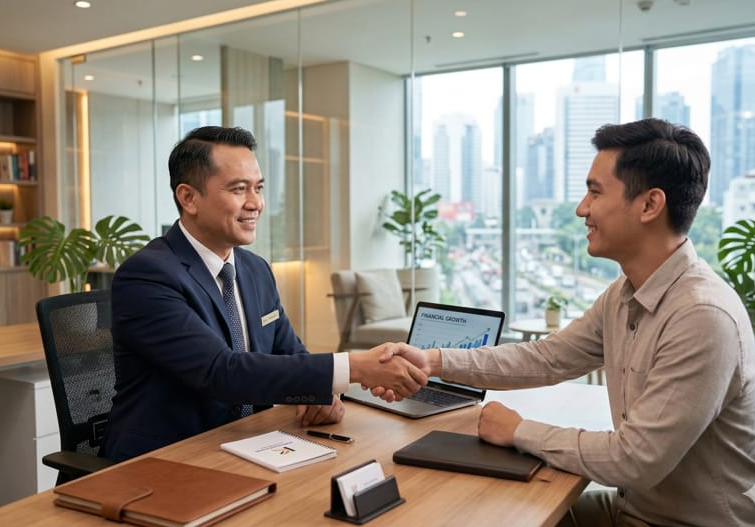
Coaching sales closers specialize in handling enrollment calls for coaching businesses that offer premium programs and services. Their role involves speaking directly with qualified leads who are already interested in a program but may still have questions, hesitation, or uncertainty before committing. Unlike traditional sales representatives who often focus on quick transactions, coaching sales closers rely on consultative selling methods that prioritize trust and relationship-building. This approach is especially important in the coaching industry because buyers are often investing in long-term transformation rather than physical products.
The demand for coaching sales closers has increased significantly because many coaches struggle to balance client delivery and sales activities at the same time. Coaches who spend hours every day handling sales calls may eventually experience burnout and reduced productivity. By hiring experienced closers, coaching businesses can create a dedicated enrollment process that supports both growth and operational efficiency. This structure allows coaches to focus on helping clients achieve results while closers manage the sales pipeline professionally.
Remote work has also transformed the coaching industry. Many coaching sales closers now work virtually, supporting businesses and clients across multiple countries and time zones. A closer based in one region may handle consultations for clients located in the USA during the morning and speak with prospects in Singapore or the UAE later in the day. This global flexibility allows coaching businesses to expand internationally without needing large physical offices or local sales departments.
The responsibilities of coaching sales closers typically include:
-
Conducting discovery and enrollment calls
-
Identifying client pain points and goals
-
Explaining coaching program benefits clearly
-
Handling objections professionally
-
Following up with undecided prospects
-
Tracking lead progress in CRM systems
-
Supporting long-term client acquisition strategies
As the online education and coaching sectors continue to grow, the role of coaching sales closers is becoming increasingly valuable for brands seeking consistent revenue and international expansion.
Why Coaching Businesses Need Professional Sales Closers
Many coaching businesses begin with founders handling every aspect of the operation themselves. In the early stages, coaches often manage marketing, sales calls, client sessions, customer support, and content creation simultaneously. While this approach may work temporarily, it eventually limits scalability and growth potential. Professional coaching sales closers solve this problem by creating a dedicated sales system that improves operational focus and conversion efficiency.
One of the biggest advantages of hiring coaching sales closers is their ability to manage a large number of discovery calls consistently. Coaching businesses that generate leads through webinars, social media, paid advertising, or referrals often receive more inquiries than they can personally handle. Without an organized sales process, opportunities can easily slip away. Skilled closers ensure that prospects receive timely responses and professional consultations that keep them engaged throughout the buying process.
Another important reason coaching companies hire closers is to improve high-ticket conversion rates. Many coaching programs require significant financial investment, and prospects naturally need reassurance before committing. Coaching sales closers understand how to guide conversations in a way that reduces fear and uncertainty. Rather than using aggressive sales tactics, experienced closers focus on helping prospects understand how the coaching program aligns with their goals and challenges.
Professional closers also help businesses scale internationally. Coaching brands targeting global audiences must manage different cultures, communication styles, and time zones effectively. A remote sales closer can provide flexible scheduling and personalized consultations for clients in multiple countries. This creates a smoother customer experience while allowing businesses to compete in international markets more effectively.
Several additional benefits make coaching sales closers essential for growing businesses:
-
Improved enrollment consistency
-
Better lead management systems
-
Reduced workload for coaches
-
Faster response times for inquiries
-
Increased client confidence during consultations
-
Higher revenue potential from premium programs
-
Stronger scalability for international growth
As coaching becomes more competitive worldwide, businesses that invest in professional sales support are often better positioned to sustain long-term expansion.
Core Skills Every Successful Coaching Sales Closer Must Have
Coaching sales closers require a unique combination of interpersonal, strategic, and emotional skills to succeed in high-ticket sales environments. Unlike transactional selling, coaching enrollment conversations often involve deeply personal topics related to business growth, health improvement, confidence building, or lifestyle transformation. Prospects are not simply purchasing information. They are investing in guidance, accountability, and future results. This makes communication quality extremely important during the enrollment process.
One of the most valuable skills for coaching sales closers is active listening. Successful closers focus on understanding the prospect’s real concerns rather than rushing toward a sale. They ask thoughtful questions that encourage clients to share goals, frustrations, and desired outcomes openly. This creates stronger emotional connection and trust during the consultation process. When prospects feel understood, they become more comfortable discussing financial investment and long-term commitment.
Emotional intelligence is another critical skill in coaching sales environments. High-ticket prospects may hesitate due to fear of failure, previous bad experiences, or uncertainty about their readiness to change. Skilled closers recognize emotional signals and respond with empathy instead of pressure. This ability helps maintain positive conversations even when objections arise. Prospects are more likely to enroll when they feel respected and supported throughout the decision-making process.
Top coaching sales closers also develop expertise in objection handling and strategic communication. Common objections may involve pricing, timing, program fit, or confidence in achieving results. Effective closers address these concerns calmly while helping prospects see the long-term value of coaching support. Their goal is not manipulation but clarity and alignment between the client’s goals and the coaching offer.
Essential skills that strong coaching sales closers develop include:
-
Advanced communication abilities
-
Emotional intelligence
-
Confidence during high-ticket conversations
-
Active listening techniques
-
Time management and organization
-
CRM and sales software proficiency
These abilities allow coaching sales closers to guide meaningful conversations that support both client satisfaction and business growth.
How Coaching Sales Closers Improve Client Enrollment Rates
Enrollment rates are one of the most important metrics for coaching businesses because they directly influence revenue, scalability, and operational stability. Even companies with strong marketing campaigns may struggle if they fail to convert leads effectively during consultation calls. Coaching sales closers improve enrollment rates by creating structured, personalized, and trust-based conversations that help prospects make confident decisions.
One reason coaching sales closers improve conversion performance is their ability to personalize each sales conversation. Every prospect enters the consultation process with different goals, challenges, and expectations. Some may want to scale businesses, while others seek personal transformation, career growth, or improved health. Skilled closers adapt their communication style to match the prospect’s unique situation rather than relying on scripted presentations alone. This personalized approach makes conversations feel more authentic and engaging.
Coaching sales closers also build trust before discussing financial commitment. Prospects investing in high-ticket coaching programs want reassurance that the business understands their needs. Closers who prioritize relationship-building create a safer environment for open communication. This trust helps prospects become more comfortable discussing fears, doubts, and goals honestly. Once strong rapport is established, enrollment conversations become more productive and natural.
Another factor that improves enrollment rates is process consistency. Professional coaching sales closers often follow proven frameworks designed to qualify leads properly, identify client needs, and maintain conversation flow effectively. These systems reduce confusion and create a smoother customer experience from the first interaction through enrollment. Structured follow-up strategies also help businesses reconnect with undecided prospects who may require additional time before making a final decision.
Coaching businesses frequently notice improvements in the following areas after hiring experienced closers:
-
Higher consultation-to-enrollment ratios
-
Reduced missed opportunities
-
Better lead follow-up consistency
-
Increased confidence among prospects
-
Improved customer experience
-
Faster response times
-
More predictable monthly revenue
As competition continues growing within the online coaching space, strong enrollment systems are becoming a major competitive advantage.
The Difference Between In-House Closers and Remote Coaching Sales Closers
Coaching businesses today can choose between building in-house sales teams or hiring remote coaching sales closers. Both approaches offer advantages depending on the company’s goals, budget, and operational structure. Understanding the differences between these models helps coaching brands make smarter staffing decisions as they scale internationally.
In-house coaching sales closers work directly within the company’s physical office or internal team environment. This arrangement allows for closer communication between coaches, marketing teams, and sales staff. Business owners may find it easier to monitor performance, conduct meetings, and maintain company culture with an internal sales department. In-house teams can also provide faster collaboration during campaign launches, promotions, and strategic planning sessions.
Remote coaching sales closers, however, offer flexibility and access to global talent pools. Businesses are no longer limited to hiring within a single city or country. Coaching brands can work with highly experienced closers located anywhere in the world, allowing them to support international clients across multiple time zones. This flexibility is especially beneficial for coaching companies targeting markets such as the USA, UK, Canada, Australia, UAE, and Singapore.
Remote closers often reduce operational costs as well. Businesses may spend less on office space, equipment, and administrative overhead compared to maintaining a full in-house team. Many coaching companies also appreciate the scalability of remote staffing models because they can expand or adjust sales capacity more easily during periods of growth.
Important factors to consider when choosing between in-house and remote closers include:
-
Budget and operational costs
-
Time zone coverage requirements
-
Company growth stage
-
Desired management structure
-
International expansion goals
-
Sales volume expectations
-
Recruitment flexibility
Both models can produce strong results when supported by proper systems, communication, and leadership.
Industries That Commonly Use Coaching Sales Closers
Coaching sales closers are now active across a wide range of industries because high-ticket coaching programs continue gaining popularity worldwide. Many businesses rely on closers to help convert leads into long-term clients who are investing in personal or professional transformation. As online education and digital consulting expand globally, the demand for specialized sales support continues increasing across multiple coaching sectors.
Business coaching is one of the largest industries using coaching sales closers today. Entrepreneurs, executives, and startup founders often invest heavily in mentorship programs that help them scale operations, improve leadership, and increase profitability. Because these programs can involve substantial financial investment, experienced closers are needed to guide enrollment conversations professionally and confidently.
Health and wellness coaching is another rapidly growing market. Fitness coaching, nutrition consulting, mindset training, and lifestyle transformation programs frequently depend on skilled closers to enroll committed clients. Prospects often have emotional concerns related to confidence, discipline, or previous failures, making empathetic communication especially important during consultations.
Career coaching programs also rely heavily on coaching sales closers. Professionals seeking promotions, career transitions, or improved interview skills may require reassurance before investing in premium coaching packages. Closers help prospects understand how coaching aligns with long-term career objectives while addressing hesitation related to timing or affordability.
Other industries frequently using coaching sales closers include:
-
Financial and investment coaching
-
Executive leadership coaching
-
Relationship coaching
-
Personal development programs
-
Online education businesses
-
Public speaking mentorship
-
Sales and marketing coaching
The continued growth of digital learning platforms ensures that coaching sales closers will remain valuable across many industries for years to come.
Best Practices for Building a High-Performing Coaching Sales Team
Building a strong coaching sales team requires more than simply hiring talented closers. Coaching businesses must create systems, training processes, and communication structures that support consistent performance. Without proper organization, even skilled sales professionals may struggle to maintain long-term success.
One of the most important best practices involves creating standardized sales processes. Coaching businesses benefit from having clear consultation structures, qualification criteria, and follow-up systems. Standardization helps ensure that every prospect receives a consistent experience regardless of which closer handles the conversation. This improves professionalism while reducing confusion across the sales pipeline.
Continuous training is also essential for coaching sales closers. Markets, buyer behaviors, and communication trends constantly evolve, especially in online industries. Businesses that invest in ongoing coaching, role-playing, and skill development often maintain stronger enrollment performance over time. Training sessions can help closers improve objection handling, emotional intelligence, and consultation flow while staying aligned with brand messaging.
Alignment between coaching teams and sales teams is equally important. Closers must fully understand the coaching program’s value, client outcomes, and operational processes. When sales professionals communicate inaccurate information, trust can quickly break down. Strong internal collaboration ensures consistent messaging and better client experiences throughout the customer journey.
High-performing coaching sales teams often prioritize the following practices:
-
Consistent sales training
-
Clear communication systems
-
Performance tracking and analytics
-
Ethical sales standards
-
Strong CRM management
-
Structured onboarding processes
-
Collaboration between departments
Businesses that build organized and supportive sales environments are typically better equipped for sustainable global growth.
FAQ About Coaching Sales Closers
What are coaching sales closers?
Coaching sales closers are professionals who specialize in converting interested prospects into paying clients for coaching businesses. They conduct consultation calls, answer questions, address objections, and guide prospects through enrollment decisions.
How do coaching sales closers work?
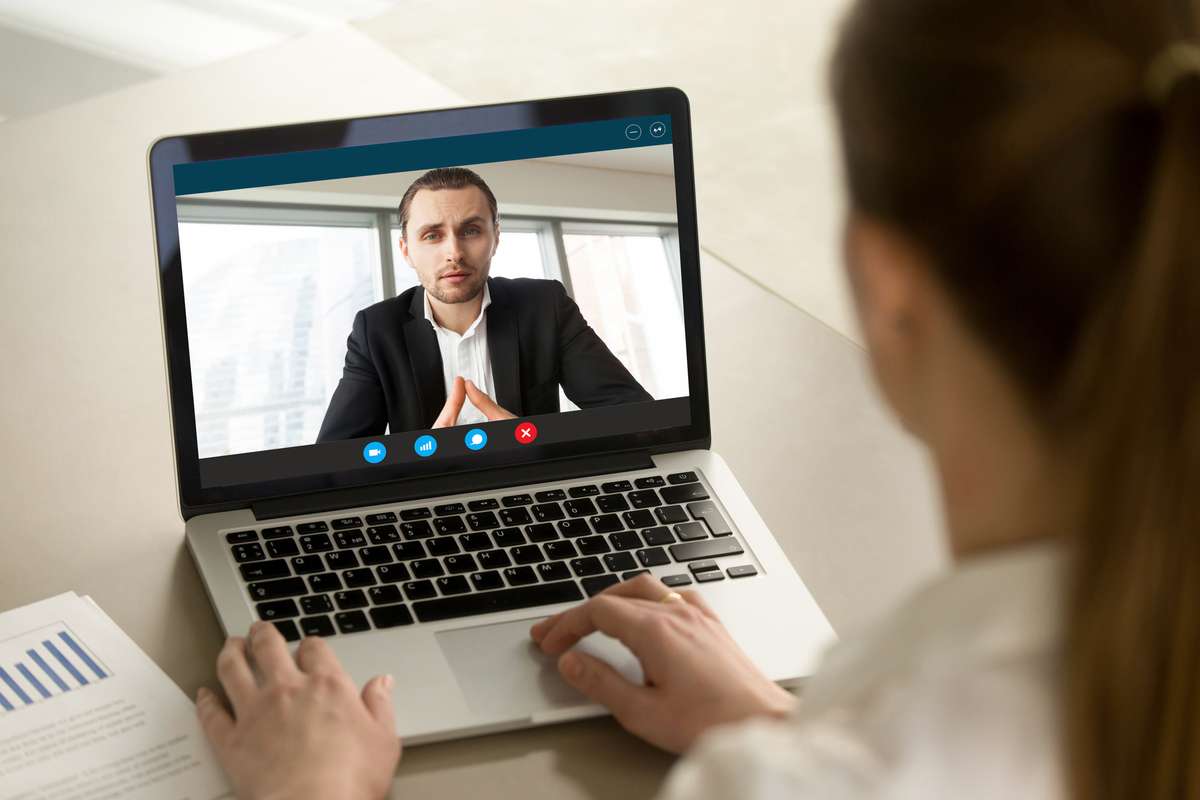
They typically speak with qualified leads through phone or video consultations. During these conversations, they identify client goals, explain program value, and help prospects determine whether the coaching service is the right fit.
Why are coaching sales closers important for high-ticket programs?
High-ticket coaching services often involve significant financial investment. Skilled closers help prospects feel comfortable and confident before committing to premium coaching offers.
Can coaching sales closers work remotely?
Yes. Many coaching sales closers work remotely and support clients worldwide. Remote setups allow businesses to serve international markets more efficiently.
What industries commonly hire coaching sales closers?
Industries include business coaching, wellness coaching, leadership development, financial mentorship, relationship coaching, and online education programs.
What skills should coaching sales closers have?
Important skills include communication, emotional intelligence, active listening, objection handling, organization, and relationship-building abilities.
How do coaching businesses measure sales closer performance?
Businesses often monitor metrics such as close rates, consultation-to-enrollment ratios, follow-up consistency, and overall revenue growth.
Are coaching sales closers suitable for global markets?
Yes. Many closers support businesses targeting clients in the USA, UK, Canada, Australia, UAE, Singapore, and other international regions.
Takeaway
Coaching sales closers have become essential partners for modern coaching businesses seeking sustainable growth and stronger enrollment performance. Their ability to build trust, guide meaningful conversations, and handle high-ticket consultations professionally allows coaching brands to scale more efficiently across international markets. As online coaching continues expanding globally, businesses that invest in skilled sales closers often gain significant advantages in client acquisition, operational focus, and long-term profitability. Whether operating in the USA, UK, Canada, Australia, UAE, Singapore, or beyond, coaching companies benefit greatly from having experienced professionals dedicated to enrollment and relationship-building.