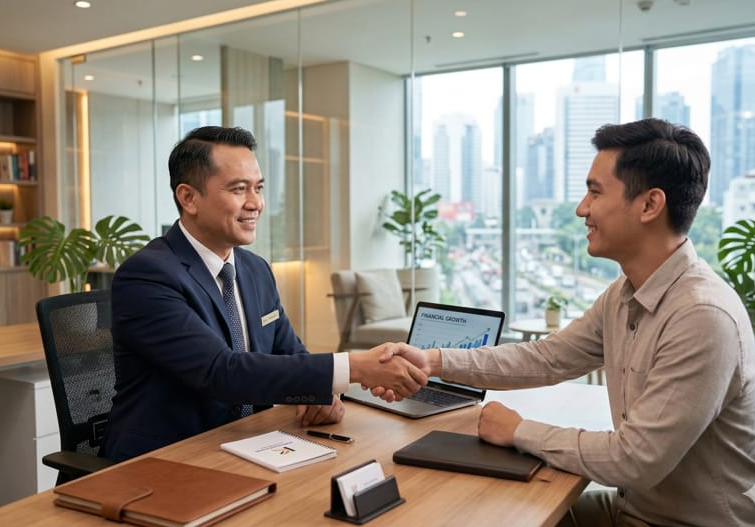

Understanding Remote Closing and What Remote Closers Do
Remote closing is a modern sales role where deals are finalized entirely through virtual communication channels. If you are learning how to become a remote closer, the first step is understanding that this role focuses on converting warm leads into paying customers. Remote closers usually handle prospects who have already shown interest in a product or service, making the job more strategic than cold calling. Instead of face-to-face meetings, conversations happen through video calls, phone calls, or messaging platforms. The goal is to guide the prospect toward a confident purchasing decision. This role is heavily used in online businesses selling high-ticket offers. Many companies rely on remote closers because they can operate across different time zones without geographical limitations.
Remote closers work in industries that rely on trust-driven, high-value transactions. These can include coaching programs, SaaS platforms, consulting services, and online education. Their job is not just to sell but to understand needs and align solutions. A successful remote closer knows how to lead conversations without sounding pushy. The ability to listen is just as important as the ability to speak persuasively.
-
Engaging warm leads through scheduled calls
-
Identifying customer needs and pain points
-
Presenting tailored solutions during conversations
-
Handling objections professionally and confidently
-
Guiding prospects toward final purchase decisions
Remote closing is performance-based, meaning income depends on results. This makes it attractive for individuals seeking high earning potential. Understanding this foundation is essential for anyone exploring how to become a remote closer.
Why Remote Closing Is a High-Income Skill
Remote closing has become one of the most sought-after high-income skills in the digital economy. Businesses are increasingly moving online, creating more demand for skilled sales professionals. If you are researching how to become a remote closer, it is important to recognize why this career path is financially rewarding. Companies are willing to pay high commissions because each sale often brings significant revenue. This creates a performance-based environment where income is directly tied to results.
Unlike traditional sales roles, remote closing allows flexibility in location and schedule. You can work from home or anywhere with internet access. The scalability of income is another major advantage. Some closers earn more in a single month than traditional salaried employees earn in a year.
-
High commission per sale opportunities
-
Flexible remote work environment
-
Unlimited earning potential based on performance
-
Growing demand in digital industries
-
No requirement for physical office presence
This career path rewards communication skills, discipline, and consistency. Businesses prefer closers who can convert leads efficiently without heavy supervision. As a result, remote closing continues to grow as a competitive and lucrative field.
Core Skills Required for Remote Closing
To succeed in remote closing, specific skills are essential. Learning how to become a remote closer requires mastering both communication and emotional intelligence. Sales success depends on how well you understand people and their motivations. Confidence plays a critical role during conversations, especially when handling objections. Organization and time management ensure that no opportunity is missed.
Remote closers must also be adaptable in different situations. Every prospect is different, and flexibility improves conversion rates. Strong listening skills help uncover hidden objections and needs. Without these skills, closing deals becomes significantly more difficult.
-
Active listening and empathy
-
Clear and confident communication
-
Strong objection-handling abilities
-
Emotional intelligence and patience
-
Time and pipeline management
These abilities are developed through practice, not theory alone. Many successful closers spend hours refining their communication techniques. Building these skills is a foundational step in how to become a remote closer.
Sales Psychology and Buyer Behavior
Understanding sales psychology is critical for remote closers. Buyers make decisions based on emotion and justify them with logic. This means your role is to understand emotional triggers behind purchasing decisions. Trust is one of the most important factors in high-ticket sales. Without trust, prospects will hesitate or delay decisions.
Remote closers must identify buying signals during conversations. These signals indicate readiness to purchase or deeper interest in the offer. Emotional drivers such as fear, desire, and urgency often influence decisions. Recognizing these helps guide conversations more effectively.
-
Emotional triggers like security, growth, and status
-
Logical justification after emotional interest
-
Importance of trust-building in virtual calls
-
Identifying hesitation and resistance patterns
-
Understanding urgency and timing factors
Mastering buyer psychology improves conversion rates significantly. It allows remote closers to position offers in a more compelling way. This knowledge is essential when learning how to become a remote closer.
Communication Skills for Remote Closers
Communication is the backbone of remote closing. Without strong communication, even the best product cannot be sold effectively. Remote closers must learn how to structure conversations that feel natural and persuasive. Tone of voice, pacing, and clarity all influence the outcome of a call. Building rapport quickly is also essential.
Asking the right questions helps uncover customer needs. Storytelling can make explanations more relatable and engaging. A good closer knows when to speak and when to listen. Over-talking often reduces conversion chances.
-
Building rapport through conversational tone
-
Asking strategic discovery questions
-
Using storytelling for clarity and persuasion
-
Controlling pacing and emotional tone
-
Encouraging open dialogue instead of pressure
Strong communication improves trust and connection with prospects. This makes it easier to guide them toward a decision. It is a key part of how to become a remote closer effectively.
Tools and Technology Used by Remote Closers
Remote closers rely on various tools to manage leads and optimize performance. Technology plays a major role in tracking conversations and scheduling calls. CRM systems help organize client data efficiently. Video conferencing tools are used for live sales calls. These systems ensure smooth communication between businesses and prospects.
Automation tools help streamline repetitive tasks. Scheduling tools reduce back-and-forth communication when booking appointments. Payment systems ensure smooth transaction processes. These tools increase productivity and efficiency.
-
CRM platforms for lead management
-
Video conferencing tools like Zoom or Google Meet
-
Scheduling software for appointments
-
Payment processing systems
-
Sales tracking dashboards
Understanding these tools is necessary for anyone exploring how to become a remote closer. They improve workflow and ensure better organization. Without them, managing multiple leads becomes difficult.
How to Learn Sales Fundamentals for Remote Closing
Sales fundamentals are the foundation of remote closing success. Learning how to become a remote closer requires mastering basic sales principles first. This includes understanding how conversations lead to conversions. Practicing structured sales frameworks helps improve consistency. Role-playing is one of the most effective training methods.
Beginners should focus on repetition and feedback. Watching experienced closers can accelerate learning. Studying objection-handling techniques is also essential. Continuous practice builds confidence.
-
Learning structured sales frameworks
-
Practicing mock sales conversations
-
Studying objection-handling methods
-
Observing professional closers
-
Refining communication through feedback
Sales is a skill developed over time. The more exposure you gain, the more natural it becomes. This is a critical stage in how to become a remote closer.
Building Persuasion and Negotiation Skills
Persuasion is a core component of remote closing. The ability to influence decisions without pressure is essential. Negotiation skills help manage objections around pricing and value. Understanding customer hesitation allows you to address concerns effectively.
Strong closers know how to reframe objections into opportunities. They highlight value instead of focusing on price. Creating urgency can also help move decisions forward. However, it must feel natural, not forced.
-
Reframing objections into opportunities
-
Highlighting value over cost
-
Using ethical persuasion techniques
-
Creating natural urgency in conversations
-
Managing pricing resistance confidently
These skills increase conversion rates significantly. They are essential for long-term success in remote sales. Mastering them is crucial in how to become a remote closer.
Step-by-Step Path on How to Become a Remote Closer
Becoming a remote closer requires a structured approach. The first step is understanding sales basics and communication techniques. Next, practice role-playing real sales scenarios. Building confidence through repetition is key. After that, apply for entry-level opportunities.
Many beginners start as appointment setters before becoming closers. This helps build experience with leads and conversations. Feedback from real interactions accelerates learning. Consistency is more important than perfection.
-
Learn foundational sales principles
-
Practice mock sales calls regularly
-
Gain confidence through repetition
-
Apply for entry-level sales roles
-
Transition into full closing positions
This structured path helps build long-term success. It reduces overwhelm for beginners entering the field.
Finding Remote Closing Opportunities
Finding opportunities is an important step in building your career. Many online platforms post remote closing jobs. Networking also plays a big role in discovering opportunities. Digital business communities often hire closers regularly.
Coaching programs and SaaS companies are common employers. Evaluating job offers carefully is important. Commission structures vary widely between companies. Understanding terms helps avoid low-quality opportunities.
-
Online job boards and platforms
-
Digital entrepreneurship communities
-
Coaching and consulting businesses
-
SaaS companies hiring sales closers
-
Freelance sales opportunities
Choosing the right opportunity impacts long-term success. Research is essential before committing.
Building a Winning Remote Closer Resume and Portfolio
A strong resume increases your chances of getting hired. Even without experience, transferable skills can be highlighted. Communication and persuasion abilities should be emphasized. A sales-focused profile stands out to employers.
A portfolio can include practice call recordings. Personal branding also plays a role in attracting opportunities. Clear presentation of skills builds credibility. Simplicity and clarity are important.
-
Highlight communication and persuasion skills
-
Include relevant training or certifications
-
Showcase practice sales calls
-
Build a personal professional brand
-
Keep resume structured and concise
This helps position you as a strong candidate in the sales industry.
Interview Process for Remote Closing Roles
Interviews for remote closers often include role-play scenarios. Employers want to see real communication skills in action. Questions usually focus on handling objections and closing techniques. Confidence and clarity are evaluated closely.
Many interviews simulate real sales conversations. This helps assess natural ability. Preparation improves performance significantly. Understanding expectations is key.
-
Role-play sales call simulations
-
Objection-handling assessments
-
Behavioral interview questions
-
Communication skill evaluations
-
Confidence and adaptability testing
Strong preparation increases chances of success in hiring processes.
Getting First Clients or Commission-Based Deals
Starting out requires persistence and outreach. Many beginners approach small businesses or online coaches. Cold outreach can be effective when done properly. Trust-building is essential for securing first deals.
Commission-based arrangements are common in the beginning. Performance determines long-term partnerships. Delivering results builds reputation. Strong communication is key.
-
Cold outreach strategies
-
Networking with online businesses
-
Commission-based agreements
-
Building trust with clients
-
Delivering measurable results
This stage builds real-world experience in sales.
Common Mistakes Beginners Make in Remote Closing
Many beginners struggle due to avoidable mistakes. Over-talking is one of the most common issues. Poor listening reduces conversion chances. Lack of structure also affects performance.
Failing to qualify leads wastes time. Not tracking performance limits improvement. Inconsistency slows growth. Awareness of mistakes improves results.
-
Over-talking during calls
-
Poor listening skills
-
Lack of structured approach
-
Weak lead qualification
-
No performance tracking
Avoiding these mistakes improves success rates significantly.
Daily Routines and Habits of Successful Remote Closers
Successful closers follow disciplined routines. Preparation before calls improves performance. Reviewing past calls helps identify improvements. Consistency in practice is essential.
Tracking daily goals improves focus. Mental discipline supports long-term success. Learning never stops in this field. Routine builds mastery.
-
Morning call preparation
-
Reviewing recorded sales calls
-
Setting daily performance goals
-
Continuous skill development
-
Maintaining focus and discipline
These habits separate top performers from beginners.
Scaling Income as a Remote Closer
Scaling income requires improving conversion rates. Working with higher-ticket offers increases earnings. Managing multiple clients also helps growth. Experience leads to better opportunities.
Some closers move into consulting roles. Others lead sales teams. Building long-term partnerships increases stability. Growth depends on performance.
-
Improving conversion rates
-
Handling higher-ticket offers
-
Managing multiple clients
-
Building long-term partnerships
-
Transitioning into leadership roles
Scaling requires consistency and skill improvement.
Ethical Selling and Long-Term Career Growth
Ethical selling builds trust and sustainability. Remote closers must focus on value creation. Manipulative tactics damage long-term reputation. Integrity leads to repeat business.
Clients value honesty and transparency. Sustainable income depends on trust. Ethical practices improve career longevity. Reputation is everything in sales.
-
Focus on value-driven selling
-
Maintain honesty in communication
-
Build long-term trust
-
Avoid manipulative tactics
-
Strengthen professional reputation
Ethical behavior ensures long-term success.
Frequently Asked Questions
What is a remote closer?
A remote closer is a sales professional who closes deals virtually through calls or video meetings.
How to become a remote closer with no experience?
Start by learning sales basics, practicing role-plays, and applying for entry-level roles like appointment setting.
How much do remote closers earn?
Earnings vary, but commission-based income can range from moderate to very high depending on performance.
Do I need a degree to become a remote closer?
No degree is required, but communication and sales skills are essential.
What industries hire remote closers?
Coaching, SaaS, consulting, and online education industries frequently hire remote closers.
Is remote closing a stable career?
Yes, as digital businesses continue growing, demand for remote closers increases.
Key Takeaway
Learning how to become a remote closer is about building communication mastery, understanding buyer psychology, and developing consistent sales habits that lead to performance-based income opportunities.