
Understanding High Ticket Closer Jobs Remote
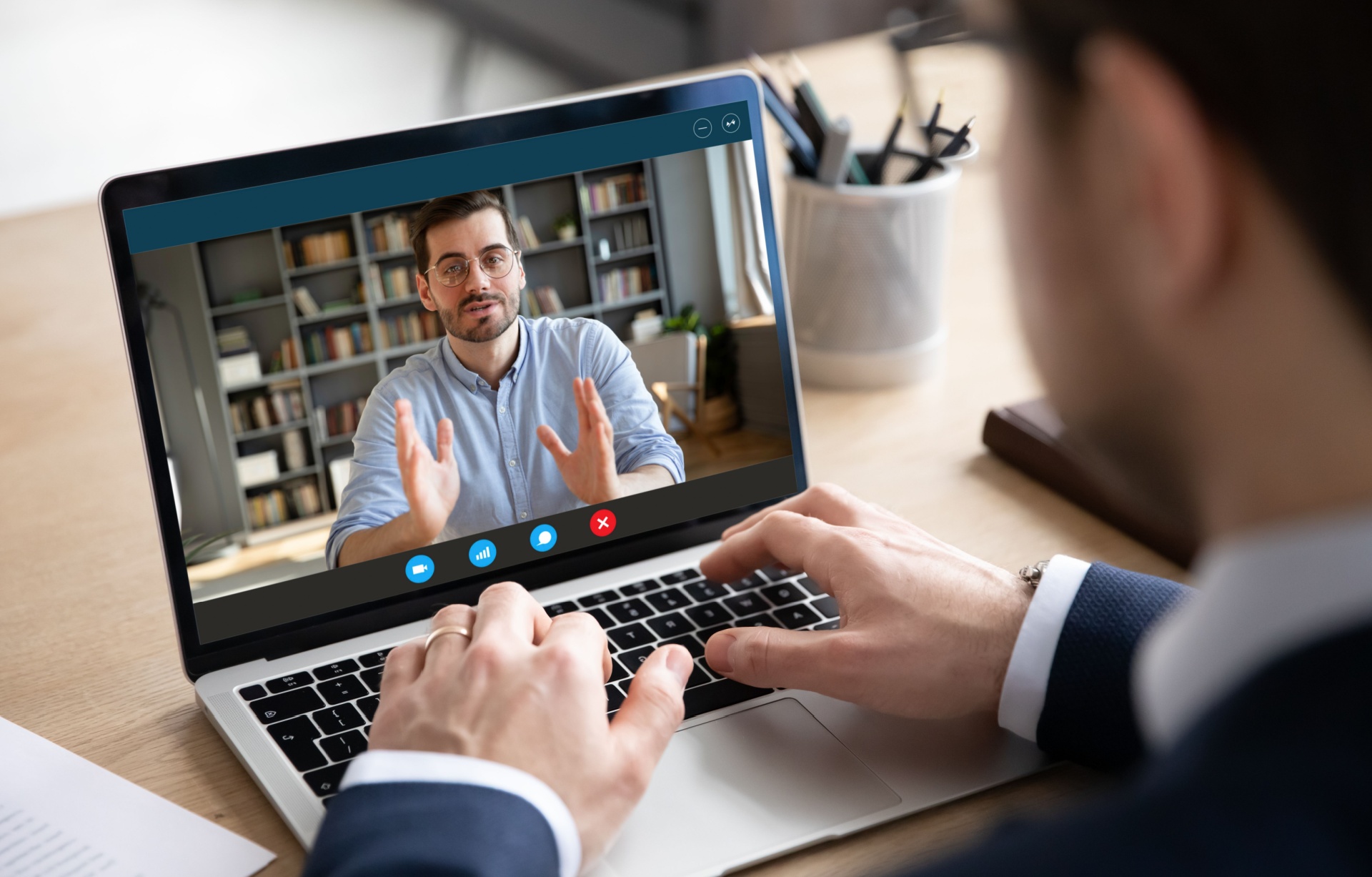
High ticket closer jobs remote revolve around selling premium products or services to qualified prospects through virtual channels such as video calls, phone conversations, and messaging platforms. These roles typically involve offers priced anywhere from $2,000 to $100,000 or more, depending on the industry and value delivered. Unlike traditional sales roles that rely heavily on volume, high ticket closing focuses on fewer but more valuable transactions, requiring a deeper level of trust and communication. Remote closers operate from anywhere in the world, connecting with clients across different time zones and cultures. This flexibility has made the role increasingly attractive to professionals seeking both financial growth and location independence. The shift to digital business models has created an environment where closing deals no longer requires physical presence. As a result, remote high ticket closing has become one of the most sought-after career paths in modern sales.
The Growing Demand for Remote High Ticket Closers
Businesses across industries are rapidly moving online, and with that shift comes a growing need for skilled sales professionals who can close deals virtually. Digital products, coaching programs, and software solutions have expanded significantly, creating more opportunities for high ticket closer jobs remote. Companies are recognizing that hiring remote closers allows them to tap into global talent without geographic limitations. This also reduces overhead costs associated with in-house sales teams. Entrepreneurs and online brands often rely on closers to convert warm leads generated through marketing campaigns. As competition increases, businesses prioritize skilled closers who can maximize revenue from each lead. The demand continues to rise as more industries adopt remote sales models. This trend shows no signs of slowing, making it an ideal time to explore this career path.
Key Responsibilities of a Remote High Ticket Closer
A remote high ticket closer plays a crucial role in converting interested prospects into paying clients. Their primary responsibility is to conduct discovery calls where they identify the needs, goals, and challenges of potential buyers. These conversations require a balance of listening and guiding, ensuring the prospect feels understood while being led toward a solution. Closers must present offers clearly, highlighting the value and outcomes rather than just features. Handling objections is another critical part of the job, as prospects often have concerns about price, timing, or suitability. Effective closers address these concerns with confidence and empathy. They also collaborate closely with appointment setters and marketing teams to ensure a steady flow of qualified leads. Maintaining professionalism and ethical standards throughout the process is essential for long-term success.
Essential Skills Needed to Succeed
Success in high ticket closer jobs remote depends heavily on a combination of soft and technical skills. Communication stands at the core, as closers must articulate value clearly and persuasively. Emotional intelligence plays a major role, allowing closers to read between the lines and respond appropriately to client concerns. Confidence is essential when discussing high-value offers, especially when dealing with experienced or skeptical buyers. Time management becomes critical in a remote environment where distractions can easily reduce productivity. Adaptability helps closers handle different industries, offers, and client personalities. Familiarity with tools like CRM systems and video conferencing platforms ensures smooth operations. Continuous improvement through practice and feedback is what separates average closers from top performers.
High Income Potential and Compensation Structures
One of the biggest attractions of high ticket closer jobs remote is the earning potential. Most roles are commission-based, meaning income is directly tied to performance. Commission rates typically range from 5% to 20% per sale, depending on the offer and company structure. For example, closing a $10,000 deal at a 10% commission results in a $1,000 payout. Experienced closers often handle multiple deals per week, leading to substantial monthly income. Some companies also offer bonuses for hitting specific targets, further increasing earning potential. While income can fluctuate, top performers consistently earn five to six figures annually. This performance-driven model rewards skill, effort, and consistency, making it highly appealing for ambitious individuals.
Industries Offering High Ticket Closer Jobs Remote
High ticket closing opportunities exist across a wide range of industries. Online coaching and consulting businesses frequently rely on closers to convert leads into clients. SaaS companies offer high-value subscriptions that require skilled sales professionals to explain and sell effectively. Real estate investment programs often involve large financial commitments, making experienced closers essential. E-learning platforms and course creators also depend on closers to enroll students into premium programs. Health and fitness industries have embraced high ticket offers, especially for personalized coaching services. Digital marketing agencies often sell comprehensive service packages that require detailed explanation and trust-building. The diversity of industries ensures that closers can find opportunities aligned with their interests and expertise.
How to Start a Career in High Ticket Closing
Entering the world of high ticket closer jobs remote does not always require prior experience, but it does require dedication to learning. Understanding the sales process is the first step, including lead qualification, presentation, objection handling, and closing techniques. Many aspiring closers invest in online courses or mentorship programs to accelerate their learning. Practicing sales conversations through role-playing helps build confidence and refine communication skills. Developing a strong mindset is equally important, as rejection is a natural part of sales. Consistency in learning and practicing leads to gradual improvement. Building a foundation in sales psychology allows closers to understand buyer behavior more effectively. Over time, these efforts translate into real opportunities and results.
Building a Standout Profile to Get Hired
Creating a strong personal brand is essential for landing high ticket closer jobs remote. A well-crafted resume should highlight relevant skills, even if they come from different industries. Transferable skills such as communication, negotiation, and customer service can make a significant impact. A professional online presence, especially on LinkedIn, helps attract potential employers. Recording mock sales calls can serve as a portfolio to showcase abilities. Demonstrating a willingness to learn and improve often matters more than experience. Networking with industry professionals increases visibility and opens doors to opportunities. Consistency in personal branding builds credibility and trust over time.
Where to Find High Ticket Closer Jobs Remote
Finding opportunities requires a proactive approach. Many job boards specialize in remote roles, offering listings for sales positions. Social media platforms have become powerful tools for connecting with business owners and recruiters. Direct outreach can also be effective, especially when targeting companies with high ticket offers. Online communities and forums dedicated to sales provide valuable networking opportunities. Freelance platforms can serve as a starting point for gaining experience. Building relationships within the industry often leads to referrals and job offers. Persistence in searching and applying increases the chances of landing a role.
The Hiring Process for Remote Closers
The hiring process for high ticket closer jobs remote often involves multiple stages. Initial applications are followed by screening interviews to assess communication skills. Candidates may be asked to participate in role-play scenarios to demonstrate their abilities. These mock calls allow employers to evaluate how well candidates handle objections and close deals. Some companies offer trial periods where performance is closely monitored. Employers look for confidence, adaptability, and a strong understanding of the sales process. Common mistakes include over-talking, failing to listen, and lacking clarity in communication. Preparation and practice significantly improve performance during the hiring process.
Tools and Technology for Remote Closing Success
Remote closers rely heavily on technology to perform their roles effectively. CRM systems help track leads, manage pipelines, and monitor performance. Video conferencing tools enable face-to-face interactions with clients, even from a distance. Scheduling software ensures efficient time management and reduces missed appointments. Note-taking tools help organize information and improve follow-up conversations. Analytics platforms provide insights into performance metrics and conversion rates. Familiarity with these tools enhances productivity and professionalism. Staying updated with new technologies keeps closers competitive in the evolving market.
Daily Workflow of a Remote High Ticket Closer
A typical day in high ticket closer jobs remote involves a structured yet flexible routine. Closers often start by reviewing their schedules and preparing for upcoming calls. Each call requires research and understanding of the prospect’s background. Managing multiple calls throughout the day demands focus and energy. Follow-ups are crucial for nurturing leads who are not ready to buy immediately. Tracking performance metrics helps identify areas for improvement. Maintaining a healthy work-life balance is important to sustain long-term productivity. Consistency in daily habits leads to better results over time.
Challenges in High Ticket Closer Jobs Remote
While the benefits are significant, this career path comes with its challenges. Income variability can be stressful, especially for those relying solely on commissions. Rejection is a constant factor, requiring resilience and a strong mindset. Building trust without physical interaction can be difficult for some closers. Time zone differences may lead to irregular working hours. High performance expectations can create pressure and potential burnout. Staying motivated during slow periods requires discipline and focus. Overcoming these challenges is part of the journey toward becoming a successful closer.
Strategies to Maximize Performance and Earnings
Improving performance in high ticket closer jobs remote requires a strategic approach. Continuous learning is essential for staying competitive. Reviewing recorded calls helps identify strengths and areas for improvement. Refining scripts and adapting them to different scenarios increases effectiveness. Building strong relationships with clients can lead to repeat business and referrals. Managing time efficiently ensures more opportunities to close deals. Staying updated with industry trends allows closers to remain relevant. These strategies contribute to long-term growth and higher earnings.
-
Practice daily sales conversations to build confidence
-
Analyze past calls to identify improvement areas
-
Focus on understanding client needs deeply
-
Maintain consistent follow-up with prospects
-
Invest in ongoing sales training and development
-
Track key performance metrics regularly
-
Build strong relationships with clients for repeat business
Ethical Sales Practices in High Ticket Closing
Ethics play a crucial role in maintaining credibility and trust in high ticket closer jobs remote. Transparency about pricing and deliverables ensures clients know what they are investing in. Avoiding high-pressure tactics helps build long-term relationships rather than short-term gains. Aligning offers with client needs creates genuine value and satisfaction. Honesty during sales conversations fosters trust and credibility. Ethical practices also protect the reputation of both the closer and the company. Maintaining integrity leads to sustainable success in the industry. Clients are more likely to recommend and return to professionals they trust.
Career Growth Opportunities
High ticket closer jobs remote can serve as a gateway to various career advancements. Experienced closers often move into sales management roles, leading teams and developing strategies. Some transition into consulting, helping businesses improve their sales processes. Others leverage their skills to launch their own high ticket offers. Building a personal brand can open doors to speaking engagements and training opportunities. Entrepreneurship becomes a natural progression for many successful closers. The skills gained in this field are transferable to numerous business ventures. Growth opportunities are vast for those willing to invest in their development.
Frequently Asked Questions (FAQ)
What are high ticket closer jobs remote?
These roles involve selling high-value products or services through virtual communication channels without the need for a physical office.
Do I need prior sales experience?
Not necessarily, but having a foundation in communication and persuasion can significantly improve your chances of success.
How much can I earn in this field?
Earnings vary widely, but many closers achieve substantial income through commission-based structures.
Are remote closing jobs legitimate?
Yes, though it is important to research companies carefully and avoid opportunities that lack transparency.
What industries hire high ticket closers?
Industries such as coaching, SaaS, real estate, and digital marketing frequently hire remote closers.
Is this career suitable for beginners?
With proper training and consistent practice, beginners can successfully enter the field.
How long does it take to see results?
Results depend on effort and consistency, but many individuals start seeing progress within a few months.
Takeaway
High ticket closer jobs remote offer a unique blend of flexibility, income potential, and career growth for individuals willing to develop their skills and embrace a performance-driven environment. The path requires dedication, continuous learning, and resilience, but the rewards can be substantial for those who stay committed. By mastering communication, leveraging technology, and maintaining ethical standards, aspiring closers can build a thriving remote career.